
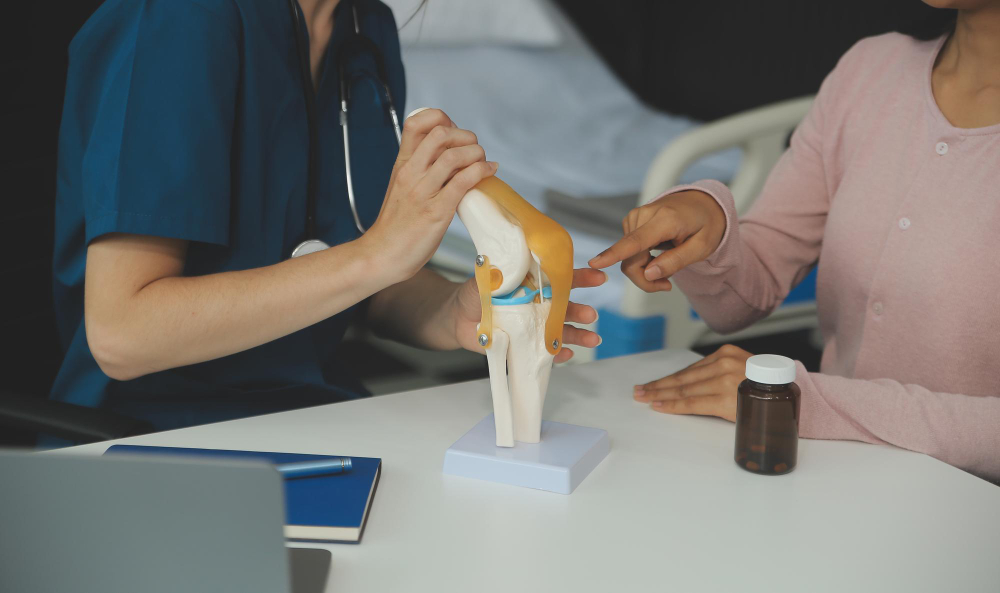
What Is Knee Replacement Surgery?
Knee replacement surgery is a procedure where a damaged knee joint is replaced with an artificial one. Doctors often suggest this surgery when other treatments do not help. For many people, knowing when knee replacement surgery is needed can help them make better health choices. This surgery aims to reduce pain and improve movement.
Common Symptoms Indicating Knee Problems
Many people feel knee pain at some point. However, some signs may show a more serious problem. For example, you might notice:
Sometimes, these symptoms get worse over time. If you notice these signs, it is important to talk to a doctor.
Causes Leading to Knee Replacement
Several conditions can damage the knee joint. Most often, knee replacement is needed because of:
Over time, these problems can make daily activities hard. As a result, some people may need orthopedic surgery for knees to regain movement.
When Is Knee Replacement Surgery Needed?
Doctors look at several factors before suggesting knee replacement. Usually, surgery is needed when:
Sometimes, age and overall health also play a role. However, the main goal is to improve quality of life. If you notice signs you need knee replacement, it is wise to seek medical advice.
Diagnosis and Evaluation Process
First, your doctor will ask about your symptoms and health history. Next, they will examine your knee and check how well you move. Often, doctors use X-rays or MRI scans to see the joint. These tests help find out how much damage there is. In some cases, blood tests may be needed to rule out other problems. After gathering all this information, your doctor will discuss the best treatment plan for you.
Treatment Options Before Surgery
Before thinking about surgery, doctors usually try other treatments. These may include:
Sometimes, these steps can help you avoid surgery. But if pain and problems continue, knee replacement may be the next step.
Benefits and Risks of Knee Replacement Surgery
Knee replacement surgery can offer many benefits. For example, it can:
However, like any surgery, there are risks. These may include:
Most people recover well, but it is important to talk with your doctor about all possible risks and benefits. The World Health Organization and leading orthopedic journals support these facts.
Recovery and Lifestyle Guidance After Surgery
After surgery, recovery takes time. Usually, you will start moving your knee soon after the procedure. Physical therapy is key to regaining strength and movement. Most people can walk with help within a few days. However, full recovery may take several months. During this time, it is important to follow your doctor’s advice. Eating healthy foods and staying active can help you heal faster.
Prevention and Joint Health Tips
While not all knee problems can be prevented, some steps can help keep your joints healthy:
Regular check-ups with your doctor can also help catch problems early. In some areas, access to orthopedic care may vary, so plan ahead if you need help.
In summary, knowing when knee replacement surgery is needed can help you make informed choices. If you have ongoing knee pain or trouble moving, consult an orthopedic specialist for personalized advice on knee replacement surgery.