
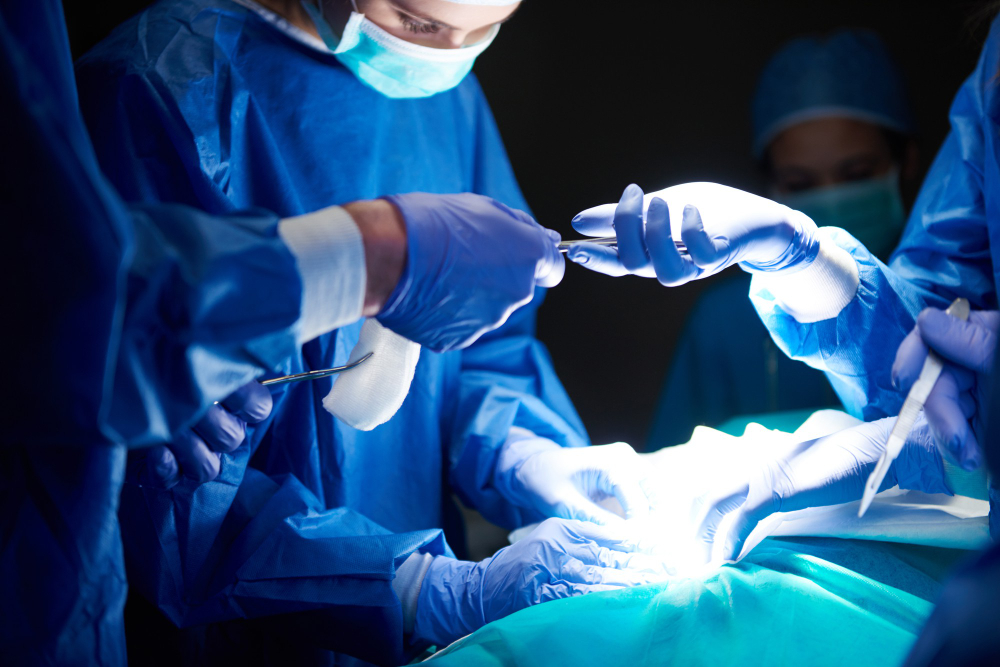
Introduction to Shoulder Arthroscopy
Shoulder arthroscopy is a minimally invasive shoulder surgery. Doctors use it to diagnose and treat many shoulder problems. Because it uses small cuts and a tiny camera, recovery is often faster than with open surgery. In this blog, you will learn about the shoulder arthroscopy procedure, recovery, and benefits. Understanding these details can help you make informed choices about your health.
Indications: When is Shoulder Arthroscopy Needed?
Doctors may suggest shoulder arthroscopy for several reasons. Often, it is used when pain or movement problems do not improve with rest or therapy. For example, you might need this surgery if you have:
Sometimes, your doctor may recommend this procedure after an injury or if other treatments have failed. According to the American Academy of Orthopaedic Surgeons, shoulder arthroscopy is safe and effective for many patients.
The Shoulder Arthroscopy Procedure: Step-by-Step
Before the procedure, your doctor will explain what to expect. Usually, you will receive anesthesia to keep you comfortable. Here is a step-by-step overview:
Because this is a minimally invasive shoulder surgery, most people go home the same day.
Recovery Timeline and Tips
Shoulder arthroscopy recovery depends on the type of repair and your health. However, most people notice less pain and swelling within a few days. Here is what you can expect:
To help your recovery, always follow your doctor’s advice. For example, attend all therapy sessions and avoid heavy lifting until cleared. The CDC recommends keeping the wound clean and watching for signs of infection, such as redness or fever.
Benefits and Risks of Shoulder Arthroscopy
Shoulder arthroscopy offers many benefits. For instance, it uses smaller cuts, so there is usually less pain and scarring. Recovery is often quicker than with open surgery. Other benefits include:
However, like all surgeries, there are some risks. These may include:
Although most people recover well, talk to your doctor about your specific risks and benefits.
Prevention and Lifestyle Guidance After Surgery
After shoulder arthroscopy, you can take steps to protect your shoulder. For example, follow these tips:
With good care, you can lower the chance of future shoulder problems.
In summary, shoulder arthroscopy is a safe and effective way to treat many shoulder problems. Consult an orthopedic specialist to discuss if shoulder arthroscopy is right for you.