
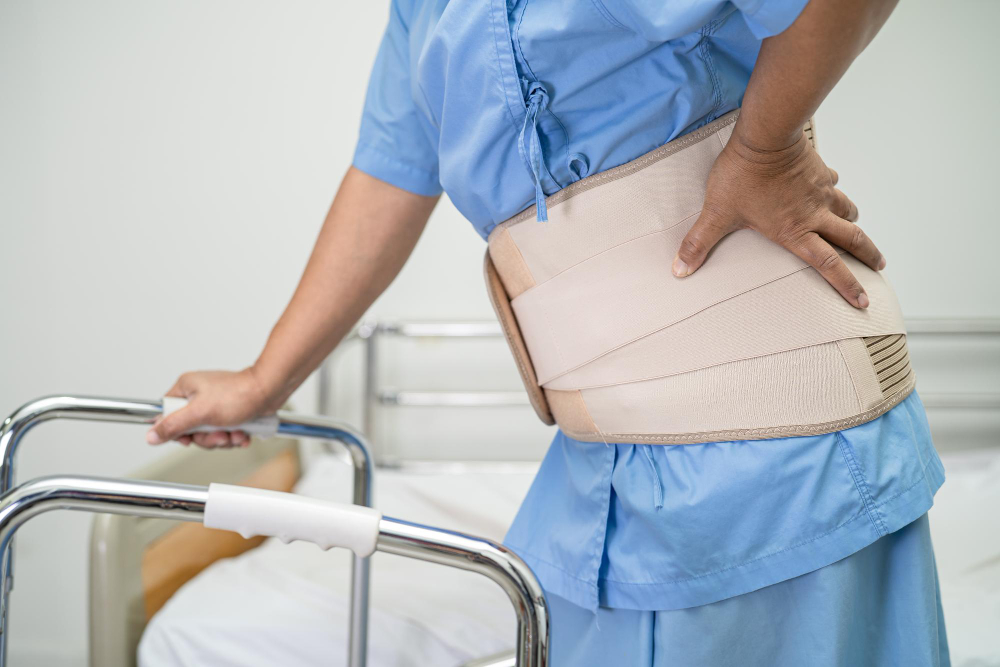
What is Hip Dislocation?
Hip dislocation happens when the ball at the top of your thigh bone slips out of the hip socket. This injury is serious and often needs quick medical care. Sometimes, hip dislocation can damage nearby nerves or blood vessels. Because of this, hip dislocation surgical treatment is often needed to fix the problem and prevent long-term harm. Early treatment can help you heal better and avoid more issues.
Causes and Risk Factors
Many things can cause a hip dislocation. Often, it happens after a strong force, like a car accident or a fall. Sometimes, sports injuries can also lead to this problem. In rare cases, weak bones or joint problems make dislocation more likely. Some common risk factors include:
Because these risks are common, it is important to protect your hips during activities.
Symptoms and When to Seek Help
Hip dislocation causes strong pain right away. You may not be able to move your leg or stand. Sometimes, your leg may look twisted or shorter than usual. Other signs include:
If you notice these symptoms, seek help right away. Quick care can prevent more damage and help you recover faster.
Diagnosis of Hip Dislocation
Doctors use several steps to diagnose hip dislocation. First, they will ask about your injury and symptoms. Next, they will check your hip and leg. Often, doctors use X-rays to see if the hip is out of place. Sometimes, they may order a CT scan to look for other injuries. Early diagnosis helps doctors plan the best treatment for you.
Surgical Treatment Options
Sometimes, doctors can move the hip back into place without surgery. However, if the hip is stuck or there are broken bones, surgery is needed. Hip dislocation surgical treatment may include:
Orthopedic surgery for hip injuries is safe and often helps you regain movement. Your doctor will choose the best option based on your injury and health.
Recovery and Rehabilitation
After hip dislocation surgery, recovery takes time. Most people stay in the hospital for a few days. Physical therapy starts soon to help you move safely. Here are some steps for hip dislocation surgery recovery:
With proper care, most people return to daily activities in a few months. However, everyone heals at a different pace.
Prevention Tips
While not all hip dislocations can be prevented, you can lower your risk. Try these tips:
Because prevention is key, always stay alert during risky activities.
Frequently Asked Questions
How is hip dislocation treated?
Doctors may move the hip back into place by hand. If this does not work, surgery is needed to repair damage or replace the joint.
How long does hip dislocation surgery recovery take?
Most people recover in 2 to 3 months. However, full healing can take longer, depending on your age and health.
Can hip dislocation happen again?
Yes, but following your doctor’s advice and doing physical therapy can lower your risk.
Is orthopedic surgery for hip injuries safe?
Yes, most surgeries are safe. However, as with any surgery, there are some risks. Your doctor will discuss these with you.
For more details, visit trusted sources like the CDC or the World Health Organization.
Consult an orthopedic specialist for personalized advice on hip dislocation treatment and recovery.