
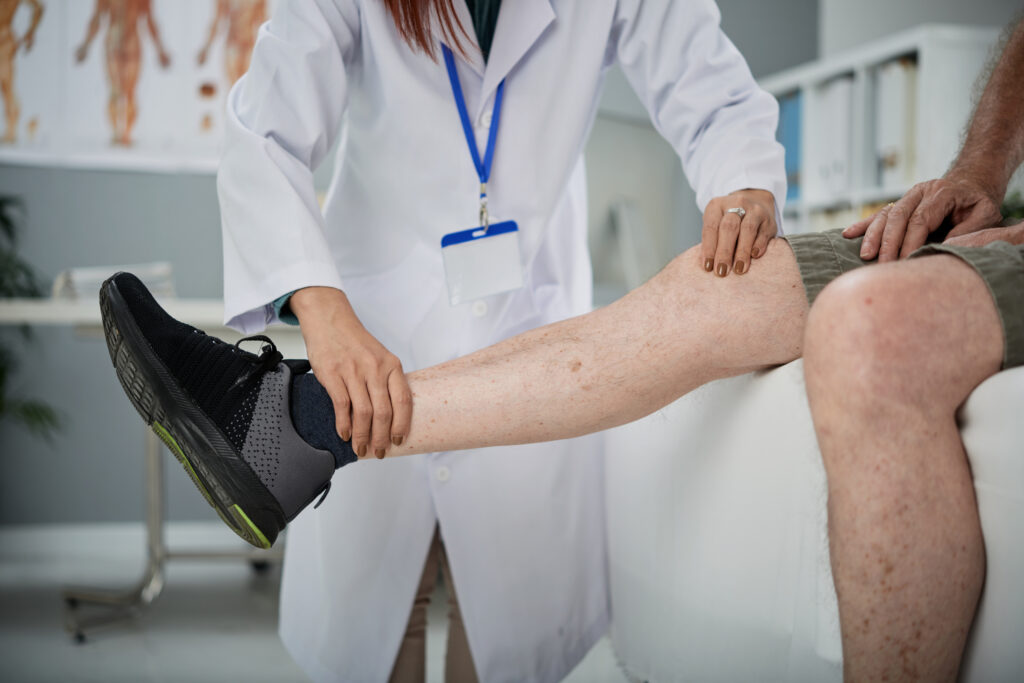
Many people with knee arthritis want to avoid or delay knee surgery. Because of this, treatments like PRP for knee arthritis are gaining attention. PRP stands for platelet-rich plasma therapy. Some hope it can help with pain and even delay knee replacement. But does PRP actually help delay knee surgery in arthritis? Let’s explore what the science says and what you should know.
What is PRP Therapy?
First, PRP stands for platelet-rich plasma. Doctors make PRP from your own blood. They take a small sample and spin it in a machine. This process separates the platelets from other parts of the blood. Platelets are tiny cells that help heal injuries. After that, the doctor injects the PRP into your knee joint.
PRP therapy is used for many joint problems. For example, it is used for sports injuries and arthritis. Many clinics now offer PRP for knee arthritis.
How Does PRP Work for Knee Arthritis?
Knee arthritis causes pain, swelling, and stiffness. The cartilage, which cushions the knee, wears down over time. PRP is thought to help by releasing growth factors. These growth factors may reduce inflammation and help the knee heal. As a result, some people feel less pain and move better after PRP injections.
However, PRP does not rebuild lost cartilage. Instead, it may help slow down damage and ease symptoms for a while.
Evidence: Can PRP Delay Knee Surgery?
Many people ask if PRP can delay knee replacement. Several studies have looked at this question. According to research in orthopedic journals, PRP can help reduce pain and improve movement for some people with mild to moderate knee arthritis. For example, a review in the Journal of Orthopaedic Surgery and Research found that PRP may work better than some other injections, like hyaluronic acid, for short-term relief.
However, the effects of PRP are not permanent. Most people feel better for six months to one year. After that, symptoms may return. So, PRP may help delay knee surgery for some, but it does not replace surgery when arthritis is severe. The World Health Organization and CDC do not yet recommend PRP as a standard treatment for knee arthritis, but research is ongoing.
Benefits and Limitations of PRP
PRP therapy has some benefits, but it also has limits. Here are some key points:
Who Might Benefit from PRP?
Not everyone with knee arthritis will benefit from PRP. Still, some people may be good candidates. For example, you may benefit if:
However, people with severe arthritis or certain health problems may not get much relief from PRP.
Risks and Considerations
PRP is usually safe because it uses your own blood. Even so, there are some risks. For instance, you may have pain, swelling, or infection at the injection site. Rarely, people have allergic reactions. Also, PRP is not always covered by insurance. Costs can vary by location and clinic. Therefore, it is important to ask about the price before starting treatment.
When to Consider Knee Surgery
Sometimes, knee surgery becomes the best option. You may need surgery if:
In these cases, delaying surgery may not be helpful. Your orthopedic specialist can guide you on the right timing.
Frequently Asked Questions about PRP and Knee Arthritis
In summary, PRP for knee arthritis may help delay knee surgery for some people. However, it is not a cure and does not work for everyone. Always talk to your doctor about the best treatment for your needs.
Consult an orthopedic specialist to discuss if PRP is right for your knee arthritis.